
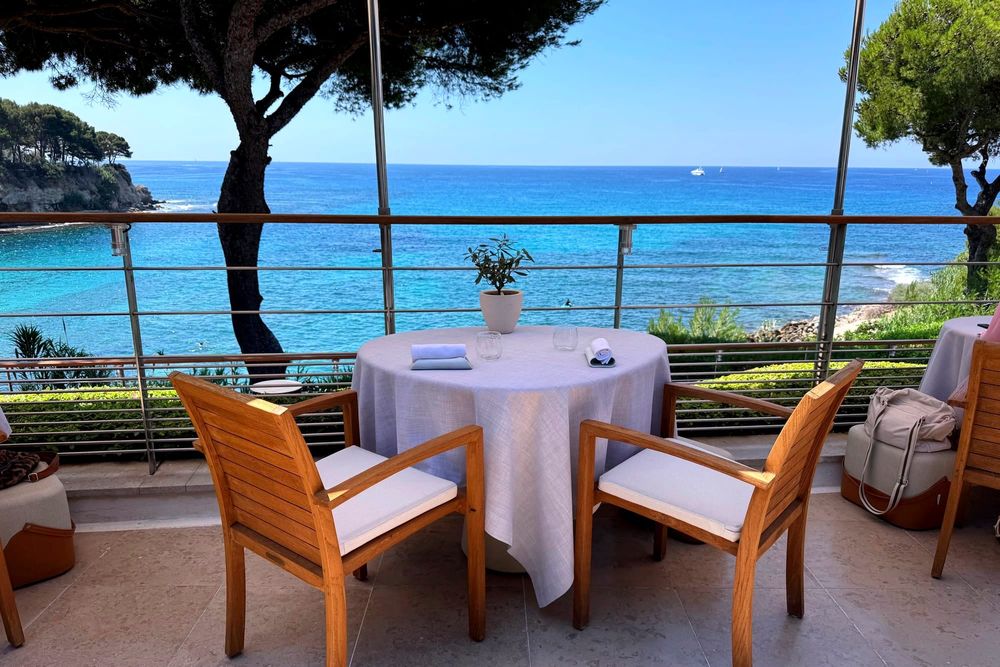
France and Monaco have thirty-one three-Michelin-star restaurants in the 2026 guide. Nine are in Paris. Eight are strung along a two-hundred-kilometre arc from the limestone of Les Baux to the Italian border at Menton: the second densest concentration in the country, and unlike Paris it is a coastline with a hinterland attached.
I have eaten at seven: La Vague d'Or in Saint-Tropez, Mirazur in Menton, La Villa Madie in Cassis, L'Oustau de Baumanière in Les Baux, Le Louis XV in Monaco, Le Petit Nice in Marseille and La Table du Castellet in the Var. The eighth, AM par Alexandre Mazzia in Marseille, I have not. I have added one two-star house, La Chèvre d'Or in Èze, because on this coast it earns its place.
Monaco is a sovereign state, published inside the French guide since the beginning, and it belongs here in every way except the passport. Les Baux and Le Castellet are inland. The arc is real; the label is a compromise.
La Vague d'Or, Cheval Blanc Saint-Tropez
FDJ Score: 9.5/10 (International Pinnacle)
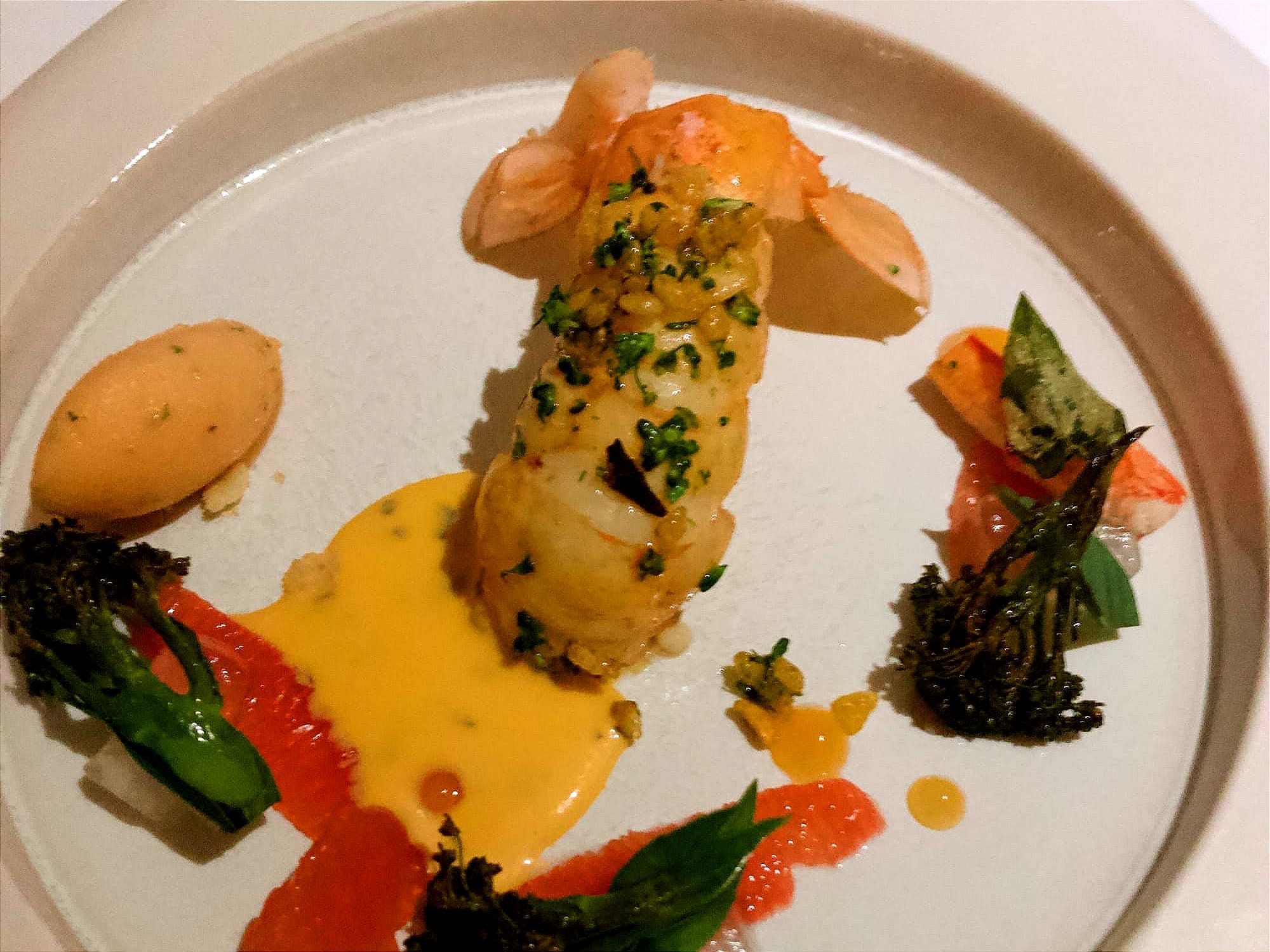
La Vague d'Or is the best restaurant on this coast, and for years it was my answer to a bigger question: whenever somebody asked me for the best three-star meal I had eaten anywhere, I named this house. Arnaud Donckele's cuisine is built on sauces: broths, emulsions and infusions that carry most of the flavour on the plate. The dish I still remember whole from September 2017 is seared langoustine with grapefruit, charred broccoletti, citrus basil, aloe vera, hassaku orange and an olive oil infused with grilled prawn heads. Three citrus registers, a bitter green, and fat carrying the taste of a part of the animal you never see on a plate.
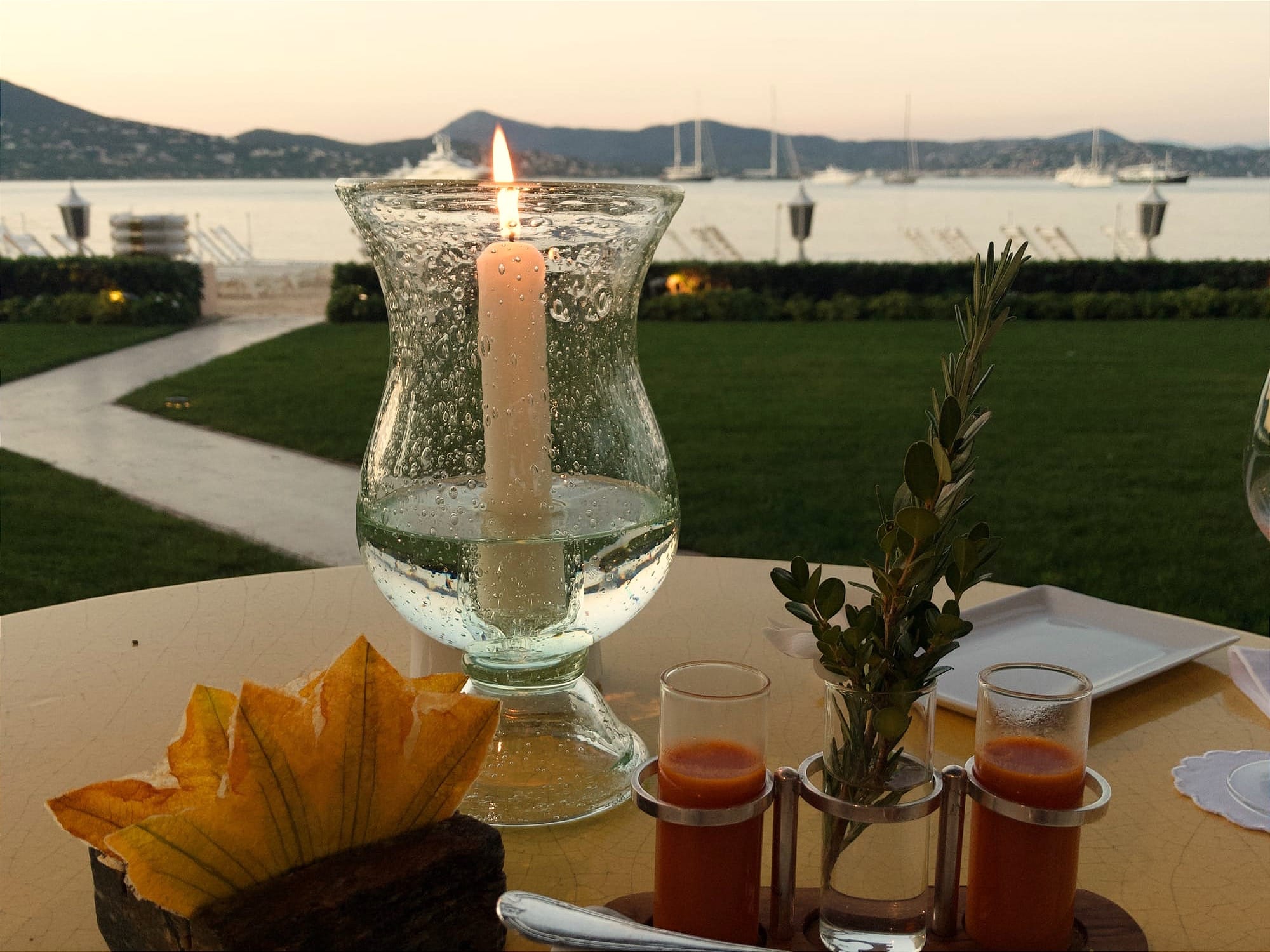
The setting is part of the meal. Dinner begins on the lawn in the garden of the Cheval Blanc, with the beach and the water in front of you, and moves indoors for the main part of the menu. Almost every restaurant on this list has a view; this is the only one that walks you through it first.
Donckele also runs Plénitude in Paris, a separate restaurant with its own menu, and in season he still cooks in both houses himself, commuting weekly. I gave Plénitude the same 9.5 in 2025, my highest score anywhere. My Saint-Tropez visit is nine years old now, and I will revisit the number when I go back.
Why go. The best food on the coast in its most beautiful setting. If you only do one of the eight, this is the one.
Mirazur, Menton
FDJ Score: 9.0/10 (World-Class Three-Star Level)
Full review: Mirazur Menton Review, 20th Anniversary Menu by Mauro Colagreco and Ferran Adrià
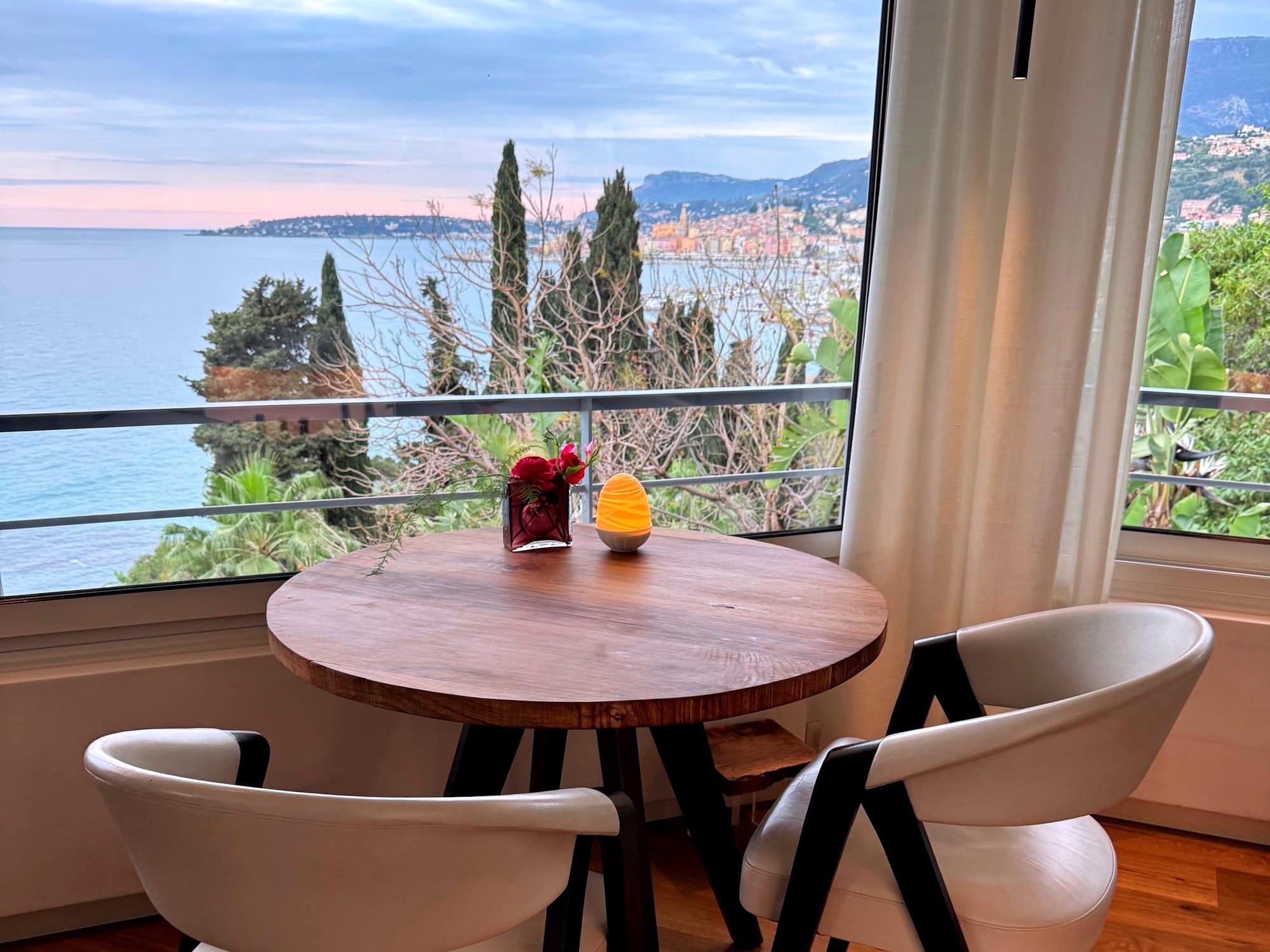
Mirazur sits above Menton at the Italian border, with a dining room that opens across the Mediterranean. It is currently the most interesting restaurant on this list. For the twentieth anniversary, Mauro Colagreco wrote the menu jointly with Ferran Adrià, and the two signatures sit side by side all evening: some plates come from Colagreco's gardens, others clearly from the elBulli tradition. At our dinner in April 2026 that meant a three-year-old beetroot with cream and caviar, peas served three ways, and whitebait arranged as if swimming away from a spoonful of caviar they had just hatched from.
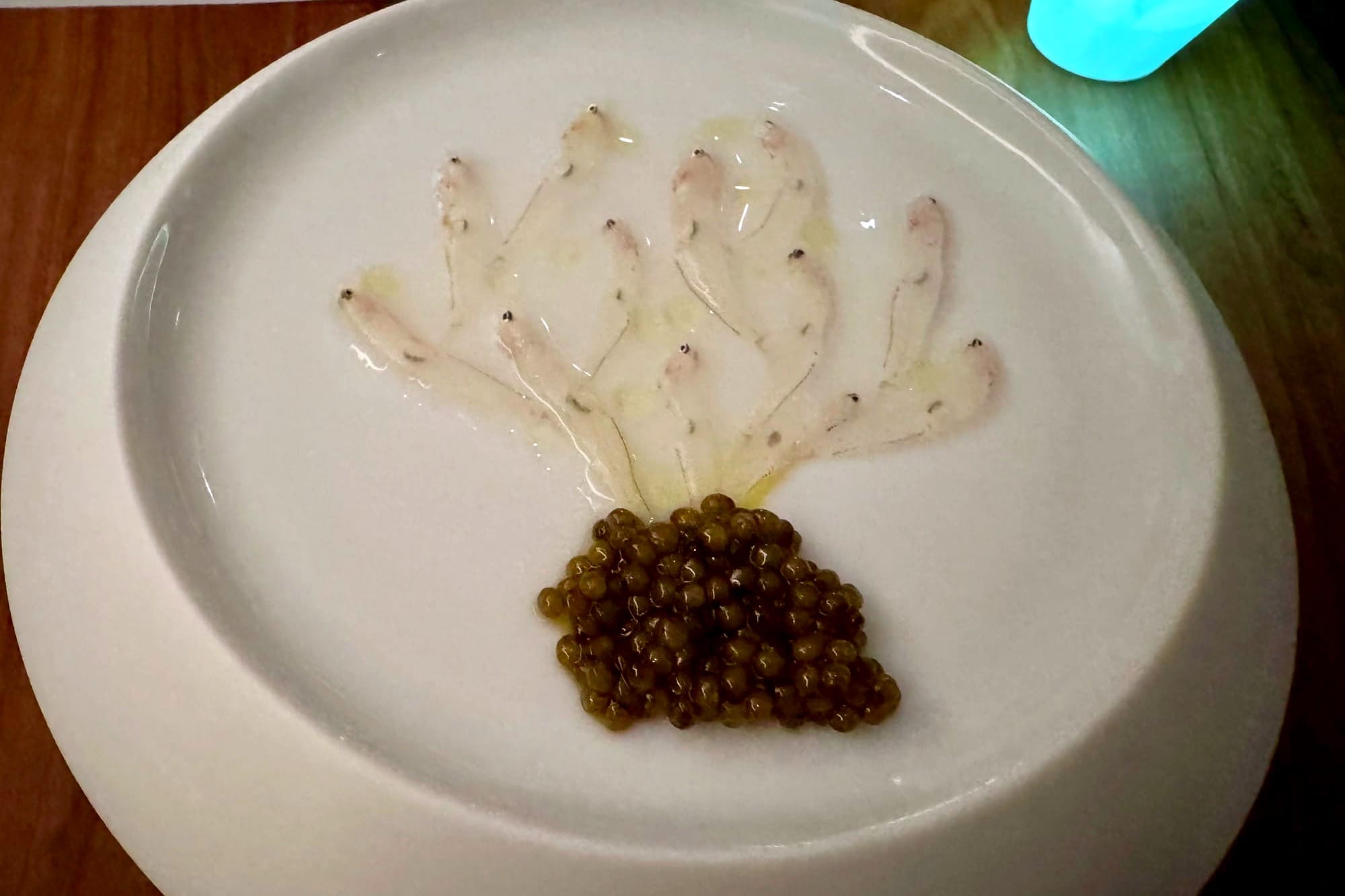
The welcome was the warmest of any house on this list. Before dinner we were taken into the kitchen, where Colagreco greeted us himself, and then into a small exhibition room where the team showed us six months of sketches on rethinking the guest experience. Diego Masciaga, after thirty years at the Waterside Inn, is currently shaping the service.
The score stops at 9.0 because a menu built on two authors occasionally loses a plate to the concept. That is also the reason to go now rather than in five years.
Why go. To see a chef reinventing his restaurant at the height of its reputation, with a menu that will not exist again. Book about four months ahead, and arrive in daylight for the view.
La Villa Madie, Cassis
FDJ Score: 9.0/10 (World-Class Three-Star Level)
Full review: Villa Madie Review, Three Michelin Stars Above the Water at Cassis
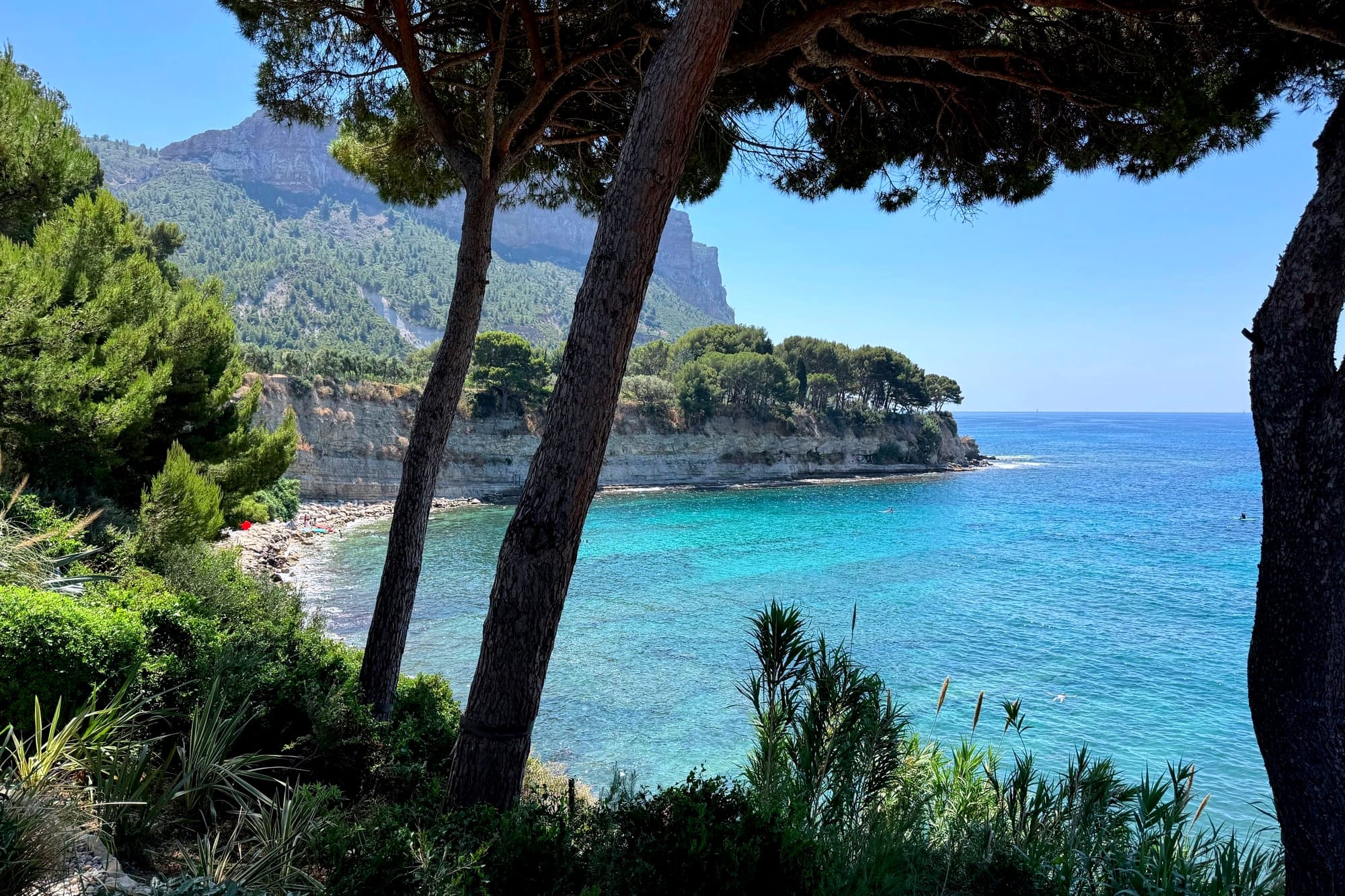
La Villa Madie serves the best single dish I have eaten this year. Lou esquinado: crab in a cold broth of its own shells, topped with an ice cream made from the meat in the head, which melts down through the broth and pulls the concentrated, faintly bitter depth of the animal into all that clarity, with warm crab-butter madeleines alongside. I would have ordered it twice.
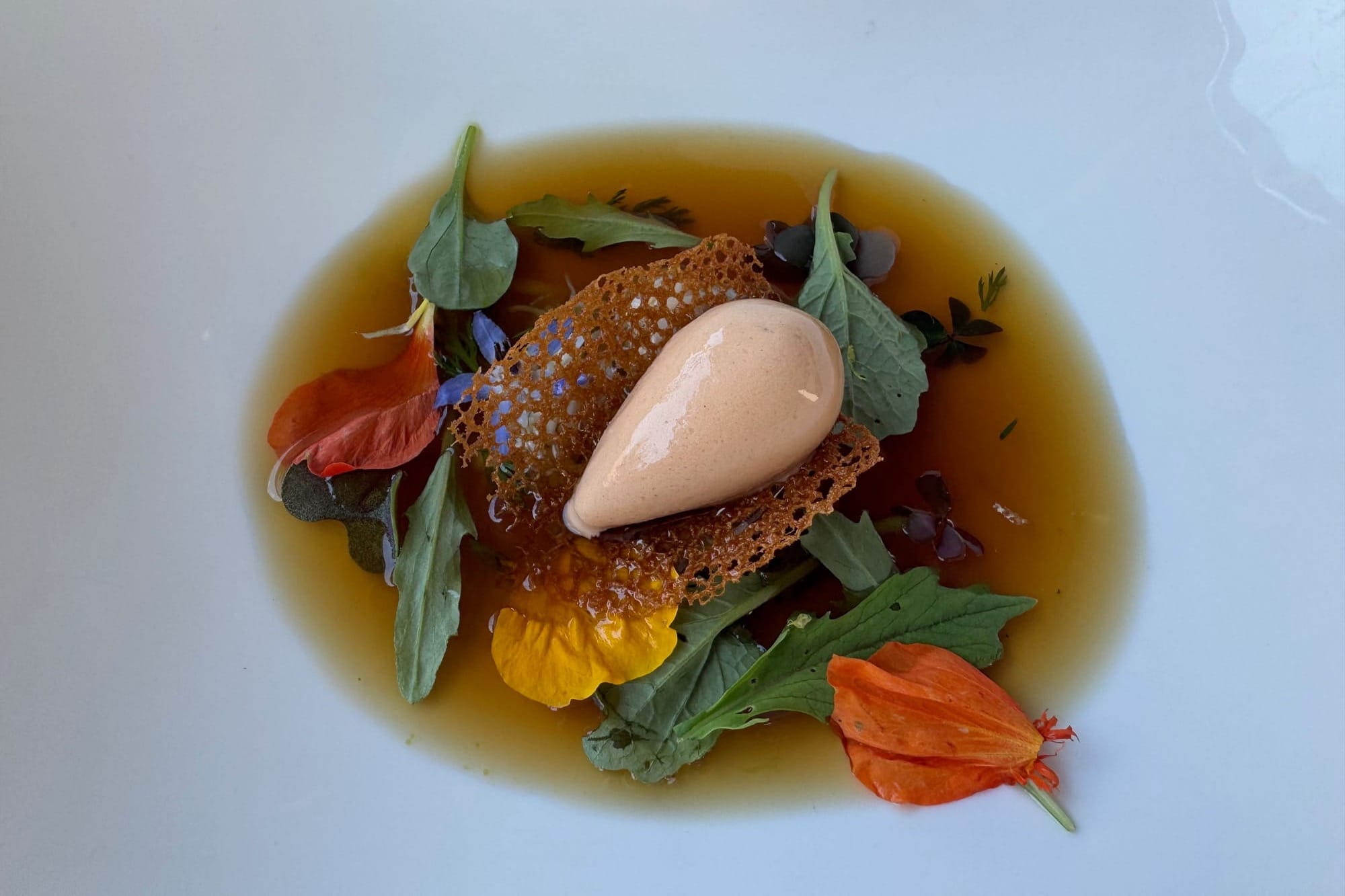
The restaurant sits in a cove under the Cap Canaille, twenty minutes from Marseille, and the terrace looks over pine trees straight onto the water. Dimitri Droisneau, a Norman who trained under Bernard Pacaud at L'Ambroisie, took the third star in 2022. His food is built from what lives in the water below the terrace, which is why the pigeon course was my one complaint of the lunch: autumn food at two in the afternoon in July. Six courses, €295.
Why go. For the best cooking-with-a-view combination on the coast: the food is the equal of what is in front of it, which almost nowhere manages. Go at lunch in terrace season; on a dark evening you lose a real part of what you are paying for.
L'Oustau de Baumanière, Les Baux-de-Provence
FDJ Score: 8.5/10 (Solid Three-Star Level)
Full review: L'Oustau de Baumanière Review, Three Michelin Stars Beneath Les Baux-de-Provence
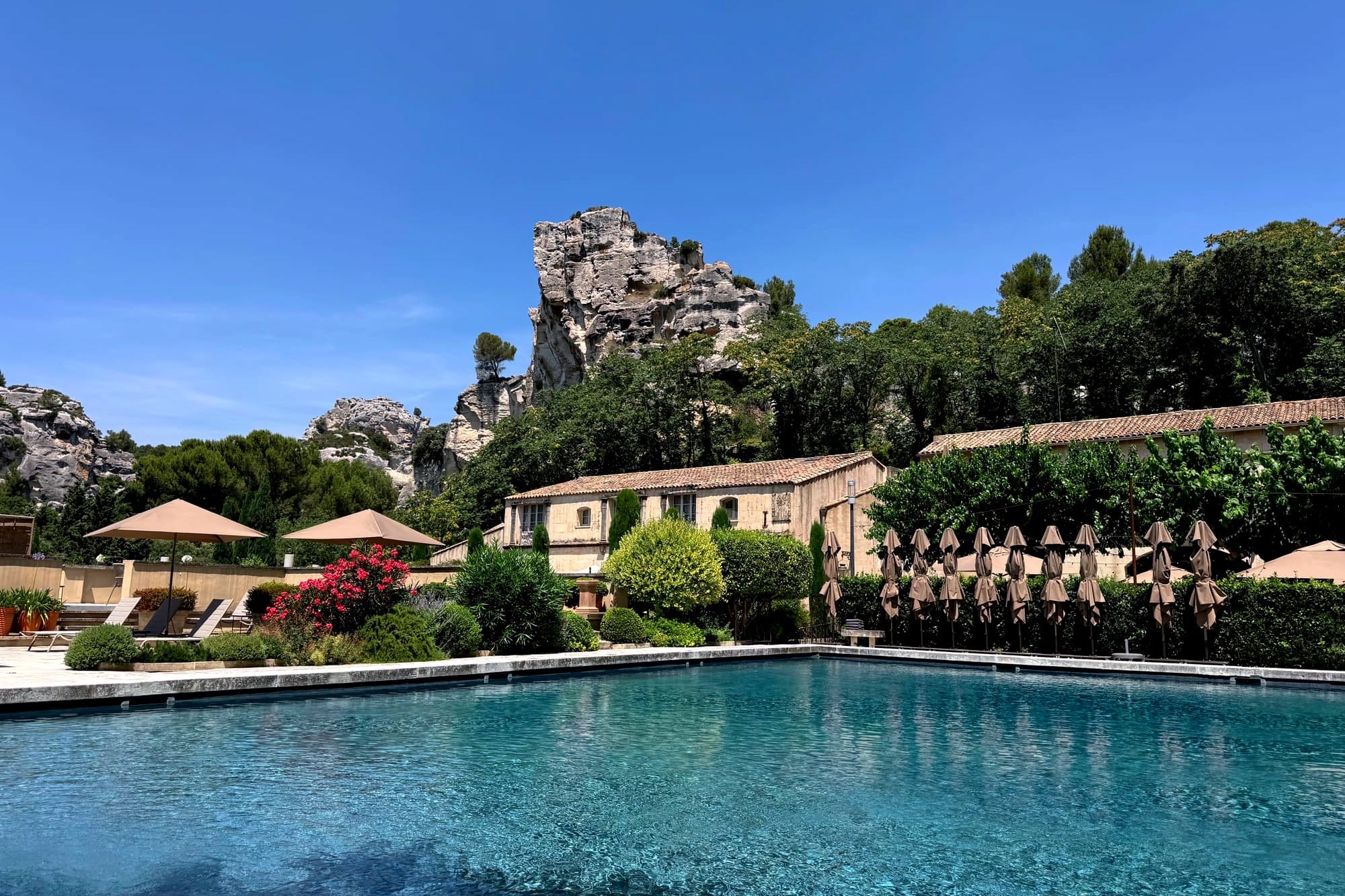
Baumanière is the classic French country restaurant in its purest surviving form: a Provençal hotel beneath the limestone of Les Baux, lunch by the pool, dinner on the terrace starting in golden hour. Glenn Viel holds the third star. The Flânerie menu is eight courses at €285, with a €120 wine pairing that is honest value at this level. The razor clams, bundled tight and standing in a rich maritime sauce, were the best dish of our dinner, and the crêpe soufflée with Grand Marnier has been served here for fifty years in memory of founder Raymond Thuilier.
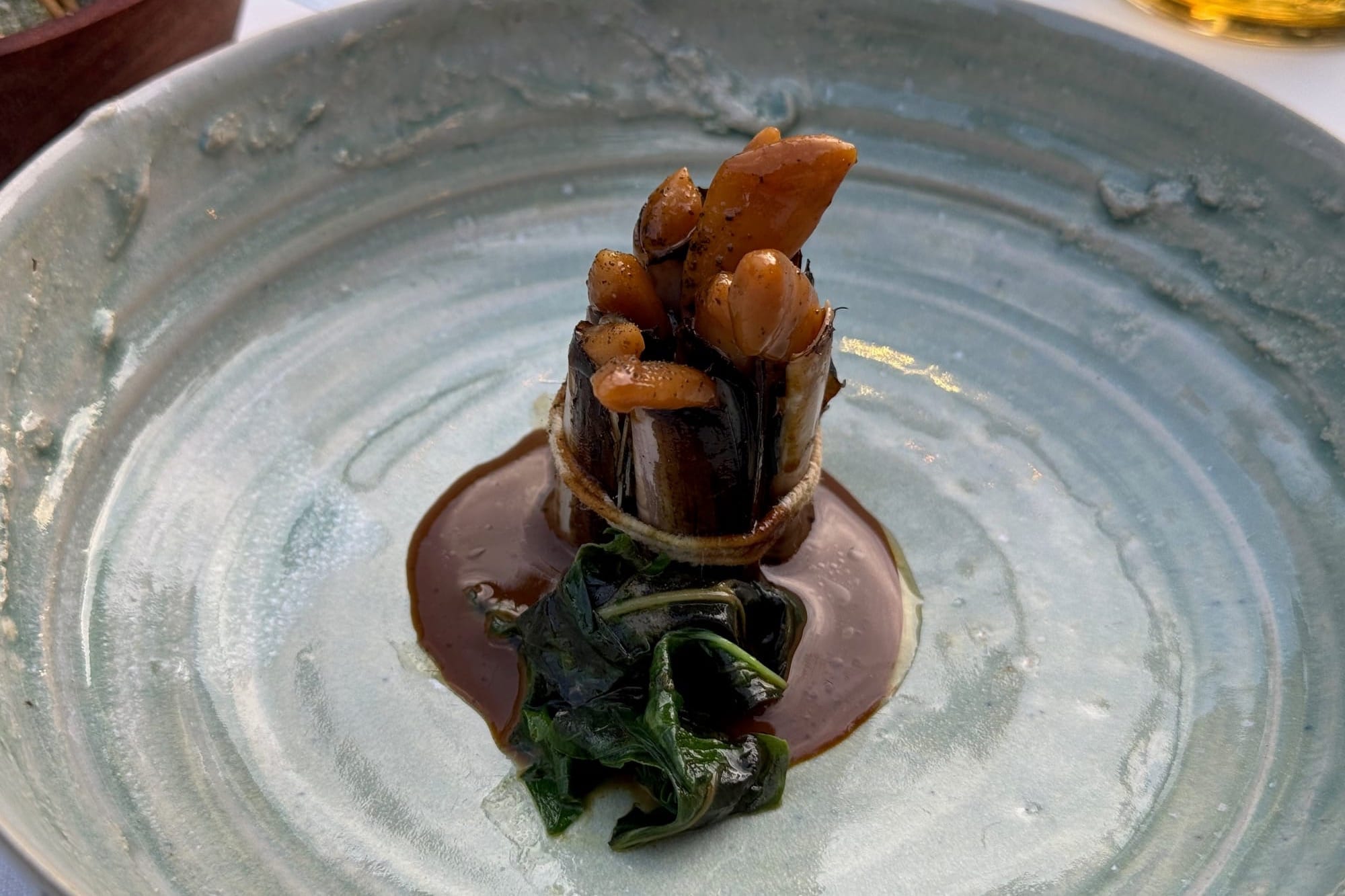
This is also the one house here I can measure against itself. We first came in April 2014, without a reservation, with a seven-year-old and a three-year-old, and the kitchen cooked our daughter a proper meal. Twelve years later Viel came to the table and listened to the same daughter, now fifteen, tell him the razor clams were her favourite. He took the answer seriously.
Why go. For the full country-house experience: stay several nights, eat lunch by the pool, dinner on the terrace. The most family-friendly three-star I know in France.
Le Louis XV, Alain Ducasse, Monaco
FDJ Score: 8.5/10 (Solid Three-Star Level)
Full review: Le Louis XV Alain Ducasse in Monaco, Classical Grandeur at the Hôtel de Paris
Le Louis XV is the palace hotel restaurant as the form was designed to be. It sits inside the Hôtel de Paris on the Place du Casino, with the grammar of a palace: polished stone, soft light, a jacket rule for men, and service that stays exact while the evening slowly relaxes. At our visit some of the windows onto the square were covered for the Grand Prix, so the room spent the whole evening turned inwards, and it lost nothing: the stone, the cellar and the pacing carry the meal on their own.
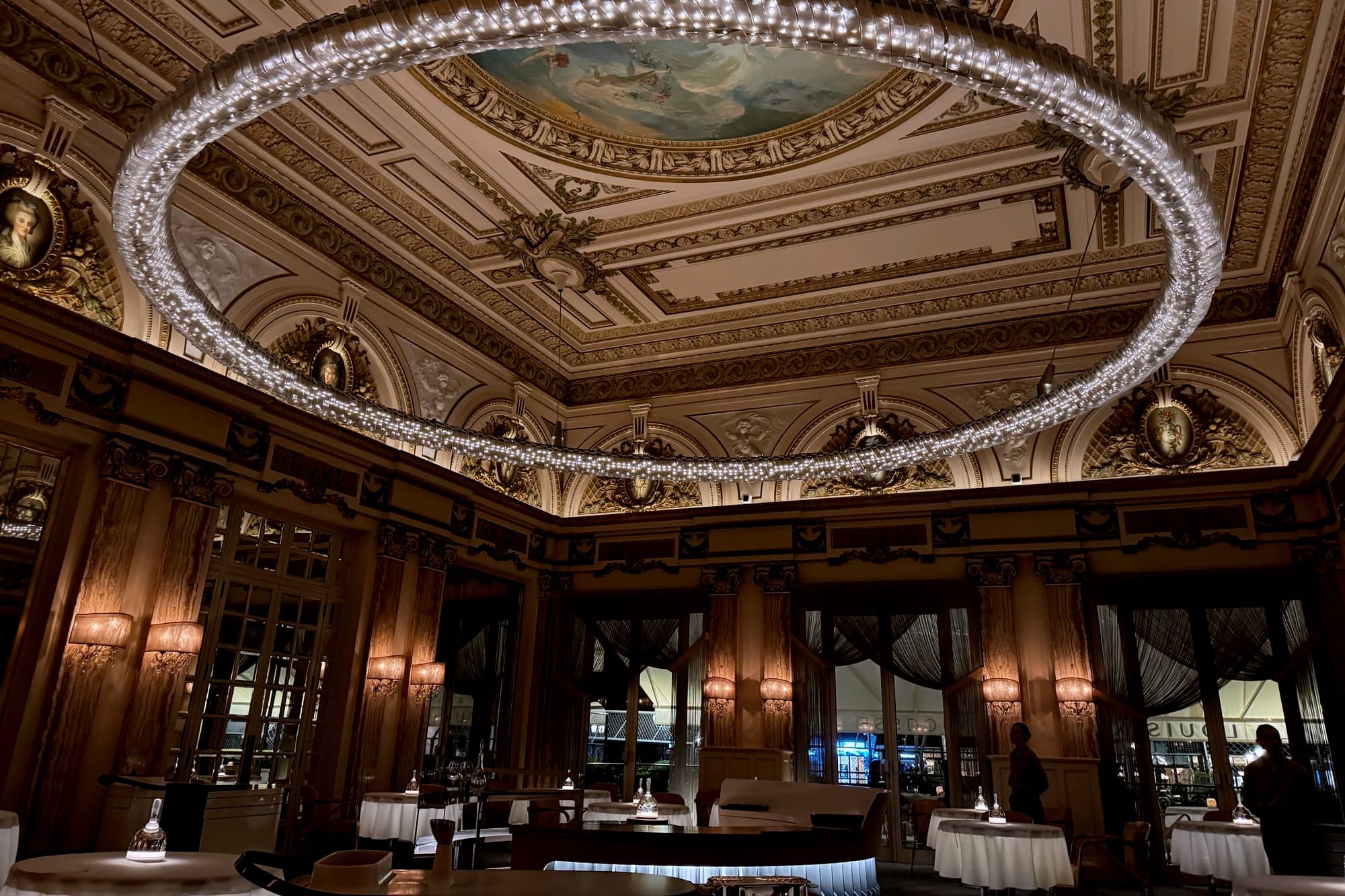
Ducasse took the room in 1987 and had three stars within three years, a first for a hotel restaurant. The Agapé menu is €420, though this is a house where ordering à la carte makes real sense. The lamb from Quercy, cooked in the fireplace, was the best lamb anyone at our table had ever eaten, and the samphire and murex ravioli held land and sea together on one plate. The artichoke was firmer than I wanted; that was the whole complaint.
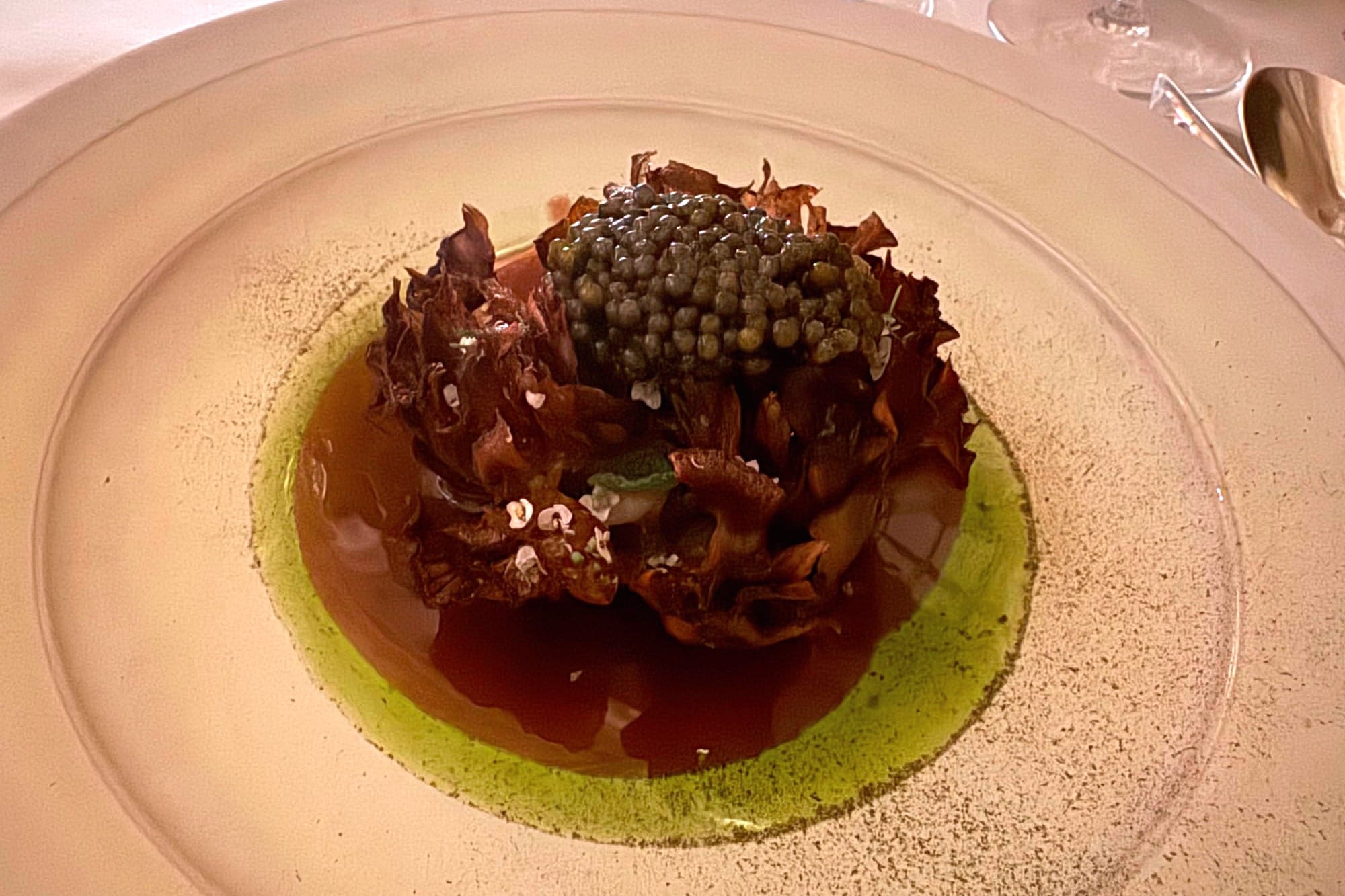
Why go. For the clearest statement anyone makes of what Monaco means by luxury, and for that lamb. The most formal room on this list, and the one that depends least on a view.
Le Petit Nice, Marseille
FDJ Score: 8.5/10 (Solid Three-Star Level)
Le Petit Nice is one of the best fish restaurants I know anywhere. A white villa on the rock in a small cove below Marseille's Corniche Kennedy, with the water directly underneath, it has been in the Passédat family for three generations since 1917 and has held three stars since 2008. Gérald Passédat's cooking chases a family memory: his aunt cooked fish in a domestic oven, his uncle was a fisherman, and he has said that what he is after is the taste of his grandmother's fish.
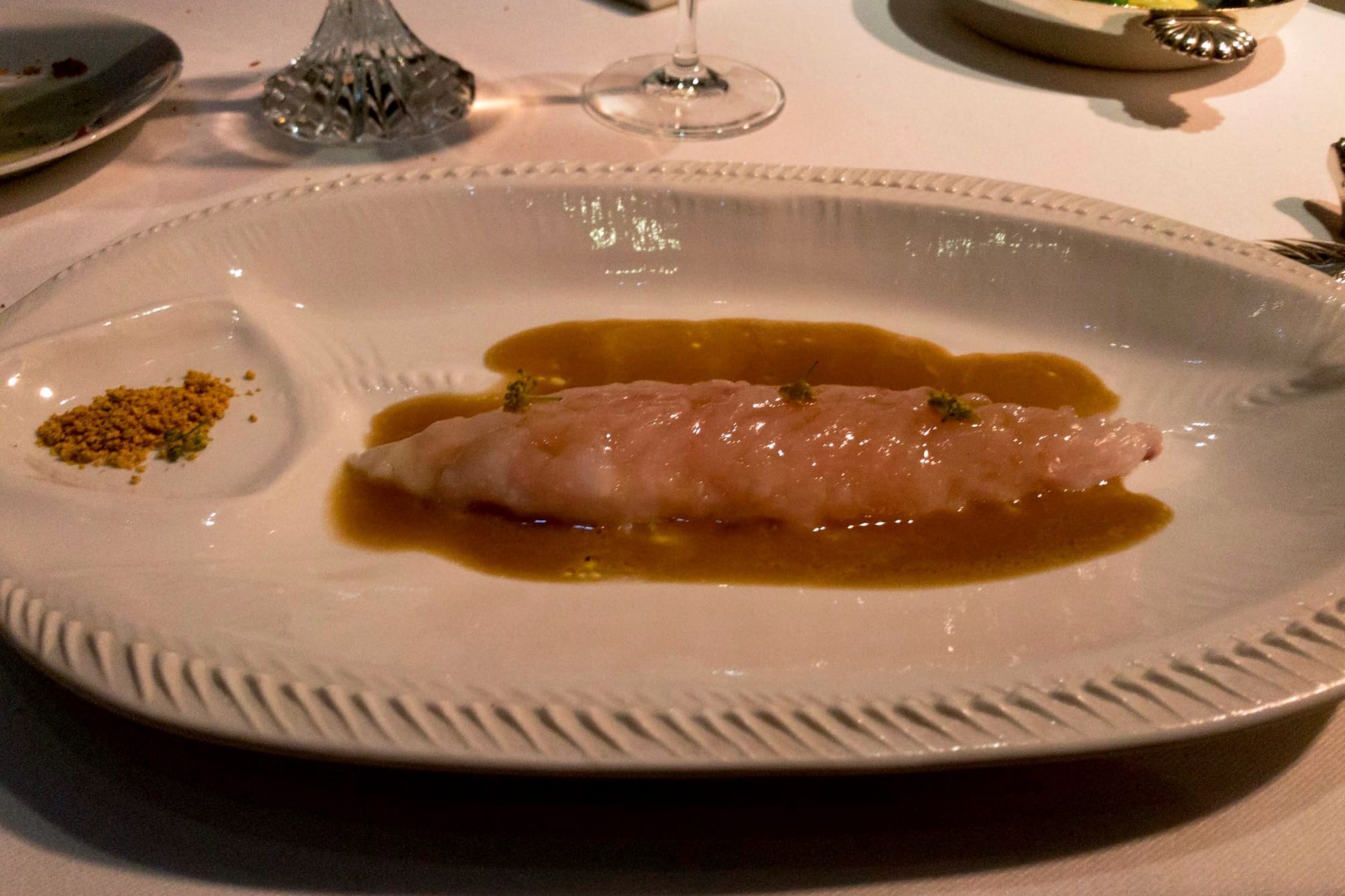
What I still measure other fish against is his daurade au jus de la tante Nia: sea bream caught at the exact point where the flesh stops being raw and has not begun to be cooked, a smaller window in this fish than in almost anything else. My visit was in September 2017, and the house has been stable for a long time; I will revisit the score when I go back and do not expect to move it far.
Why go. Fish, on the rock, at the water. Marseille above the cove is a rough city; this is the reason to come anyway.
La Table du Castellet, Le Castellet
FDJ Score: 8.0/10 (Entry to Three-Star Territory)
Full review: La Table du Castellet Review, Fabien Ferré's Four-Course Lunch in the Var
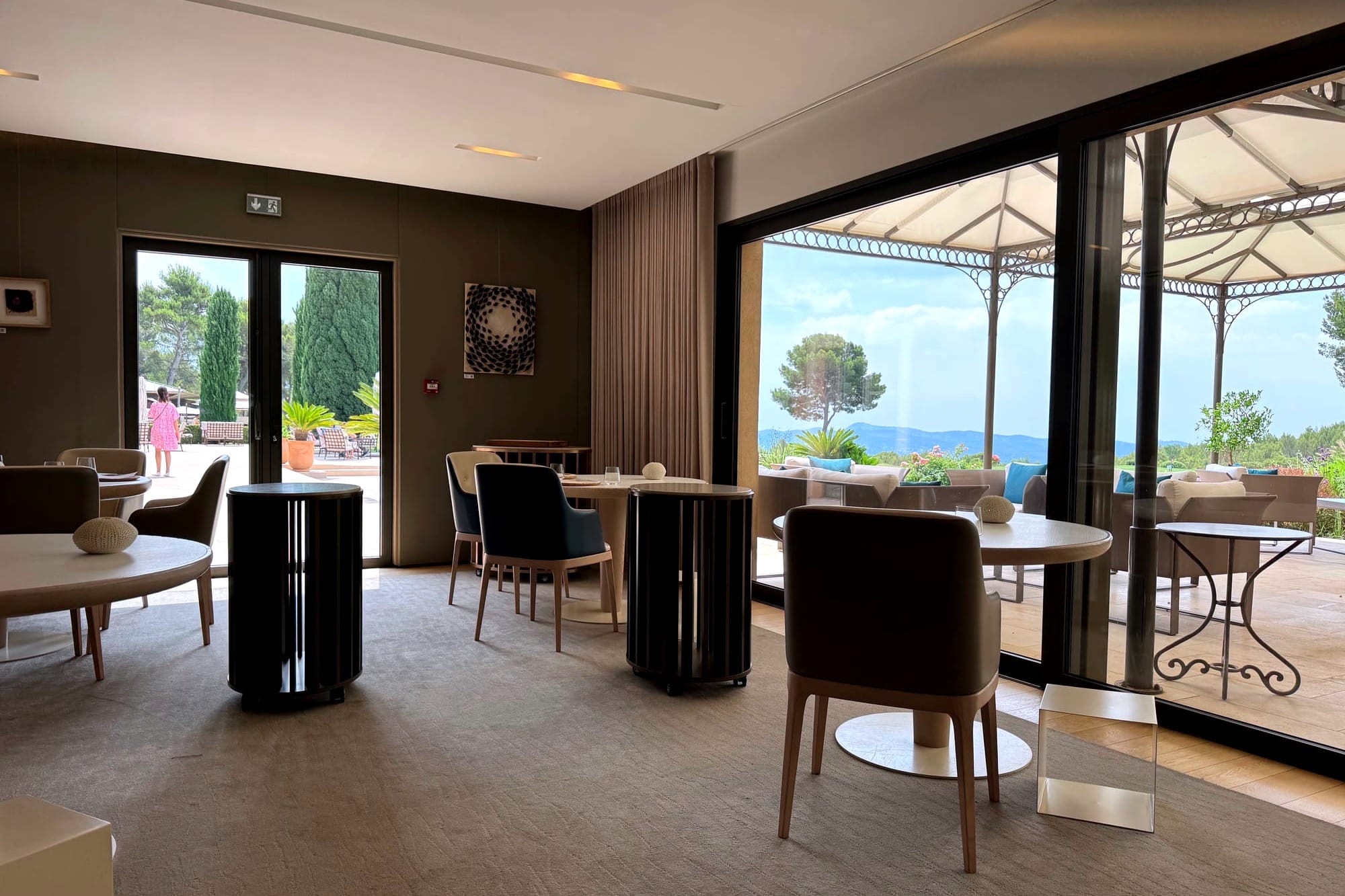
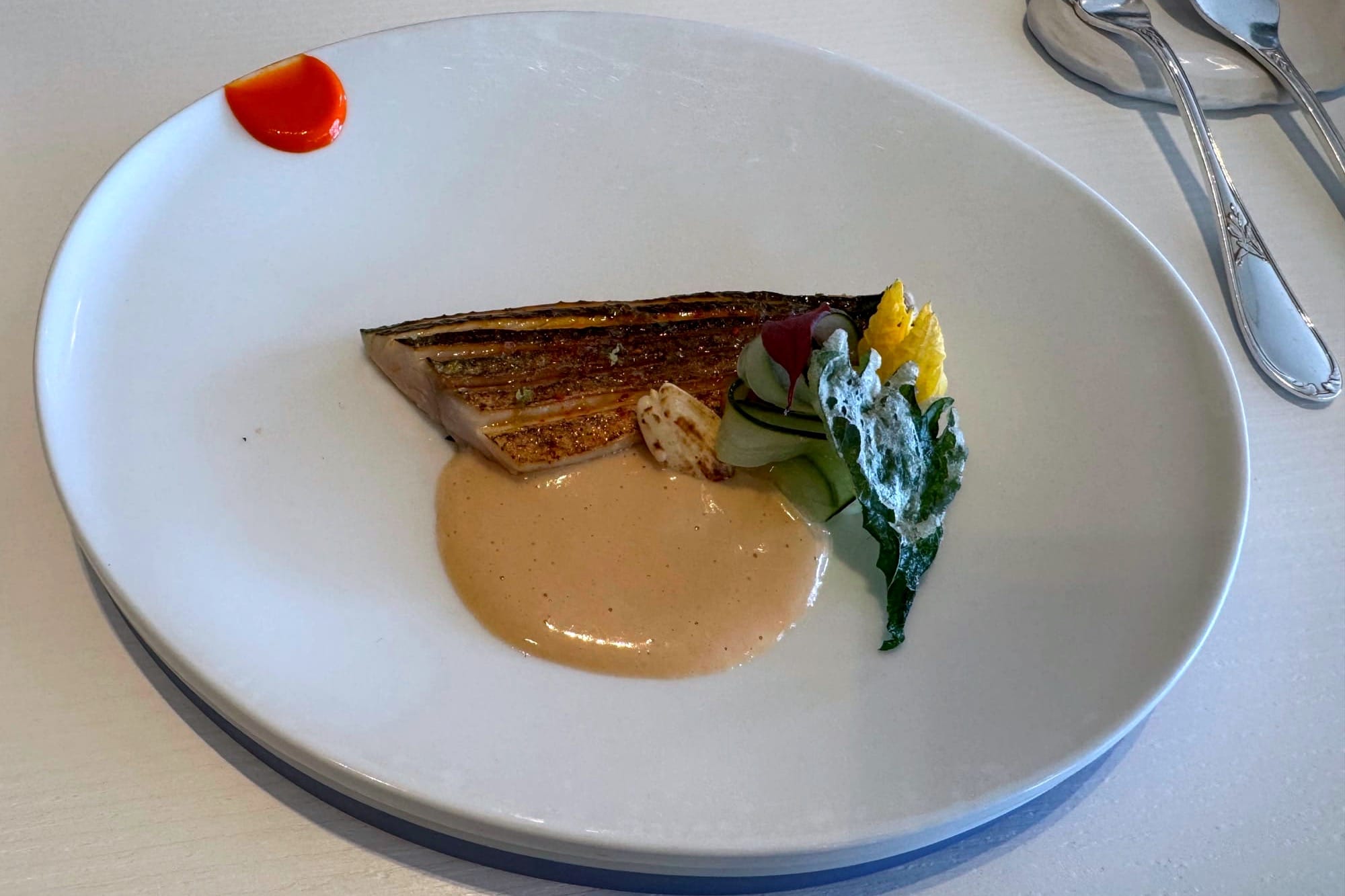
La Table du Castellet belongs to the Hôtel & Spa du Castellet, set in a golf resort opposite the Paul Ricard circuit, inland in the Var. Fabien Ferré spent ten years as Christophe Bacquié's second here, then took the kitchen and went straight to three stars in March 2024, at thirty-five the youngest chef ever to do so. He buys his fish twenty minutes away at Sanary-sur-Mer, and the best plate of my lunch showed why: mackerel grilled to the second, skin striped and caramelised, under a cool almond and cucumber velouté, with fried shiso on top.
The four-course lunch is €230, the eight-course Symbiose €380; my score describes the lunch. Two objections. The cheese cellar is smaller than its reputation. And the house still feels like the hotel's restaurant rather than Ferré's own: the room is contemporary and comfortable, but it looks at a fairway, while Oustau and Villa Madie sit inside the landscapes that made them. Ferré cooks well enough that this should change.
Why go. A very good lunch if you are already in the Var, at the friendliest price on this list. I would not cross Provence for it yet, and the word is yet.
The Exception: La Chèvre d'Or, Èze
FDJ Score: 7.5/10 (High Two-Star Level)
Full review: La Chèvre d'Or in Èze, the Golden Goat, the Riviera View, and Tom Meyer's New Chapter
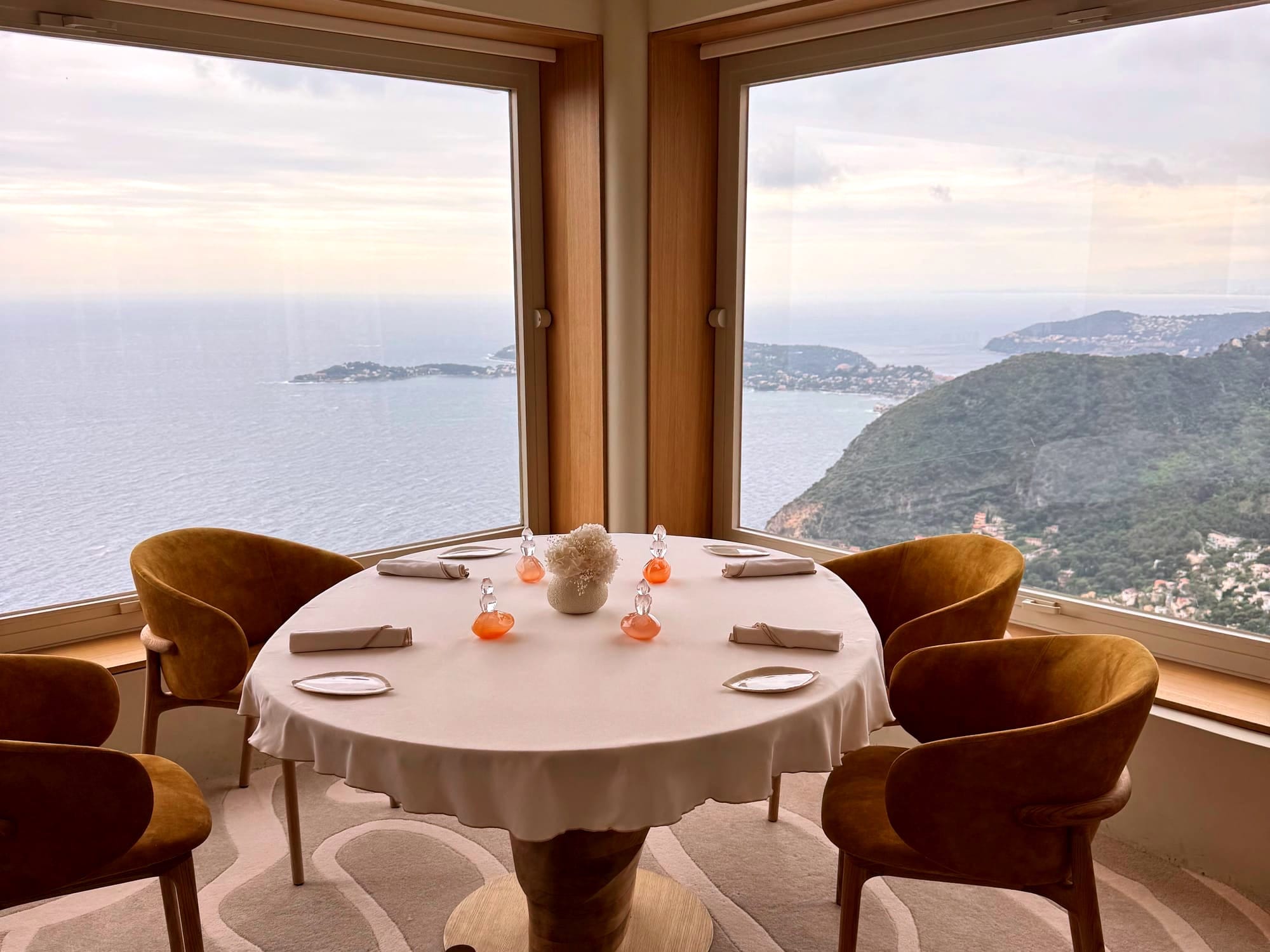
La Chèvre d'Or holds two stars, and it is on this list for the view, which may be the finest from any dining room in France. Èze rises steeply off the coast between Nice and Monaco, a medieval village compressed into a cliff, and you climb through stone lanes to reach the restaurant. The redesigned dining room faces Saint-Jean-Cap-Ferrat across open water, and the Mediterranean sits in the room rather than behind it.
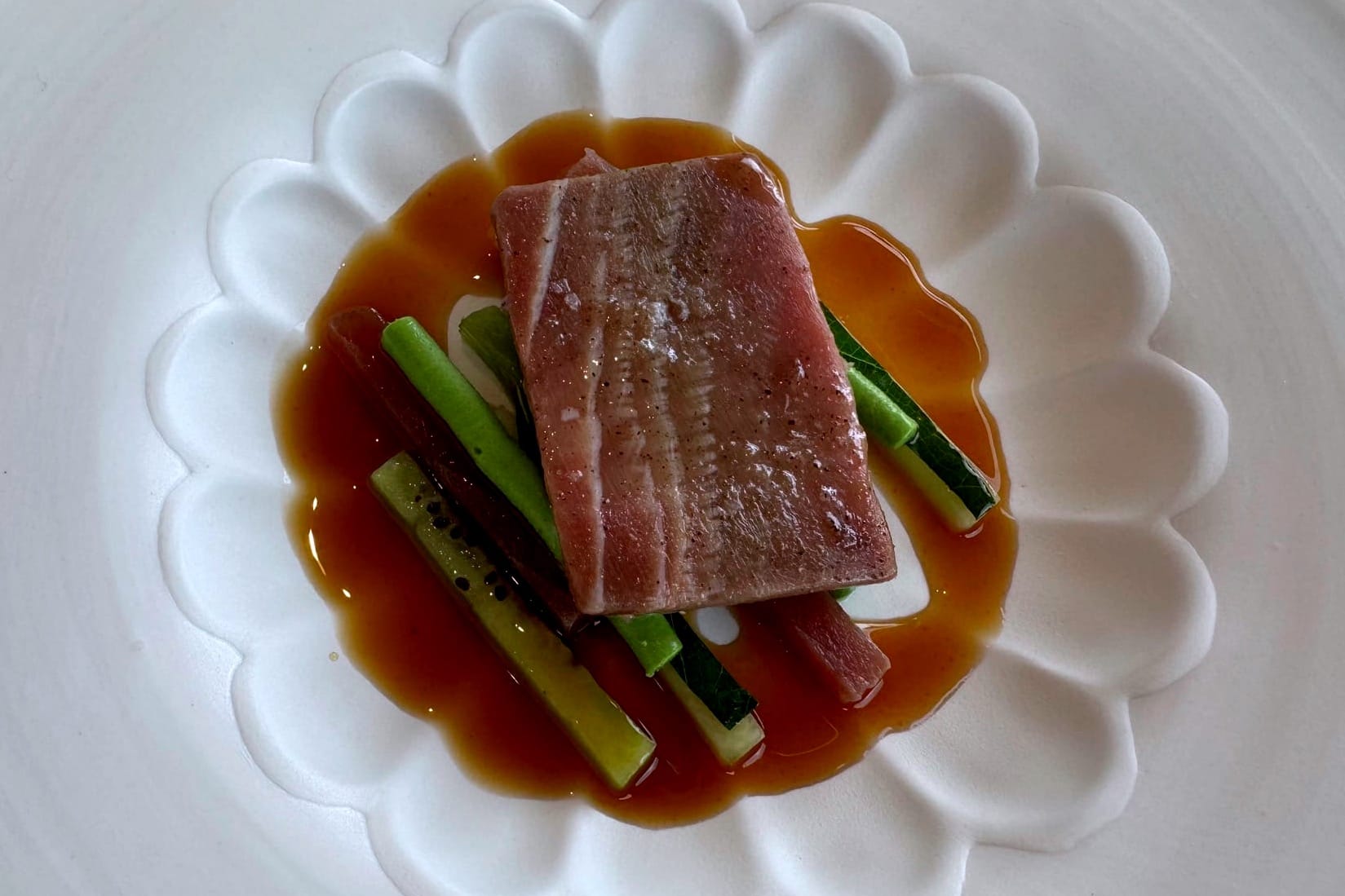
Tom Meyer, thirty-two, took over from Arnaud Faye in 2024 and held the two stars. Lunch is six courses at €250. The strongest plate was raw red tuna with cucumber and kiwi, cool and sharp with acidity, with grilled belly above it bringing smoke and fat down onto the raw fish. The cooking does not yet reach the level of the window, and Meyer knows it: we found him discussing the design of a new cheese trolley with the carpenter who was building it. The score will move.
Why go. The view, which a photograph carries about a third of. Twenty minutes from Nice, and easy to combine with Monaco and Menton in one trip.
What These Scores Are and Are Not
I have put these houses in the order I would put them, and I want to be plain about what that order is worth. It is my taste. Most are single visits: one evening in a kitchen that cooks three hundred more of them a year, and a different Tuesday would have produced a different number. The gaps between 8.0 and 9.0 are smaller than the figures make them look, and nobody should choose between two of these restaurants over half a point. The frame of reference is fifty-eight three-star restaurants worldwide and more than a hundred visits, and it still comes down to one person at one table on one day. Read the sequence lightly. Read the reasons closely.
One thing this coast did change. My rating page used to say that the setting has no bearing on the score. I wrote that rule and I believed it, until a lunch at Cassis in July 2026, and the page now reads that the room changes the meal and I score the meal I ate. Some of these kitchens built their food out of what is on the other side of the glass, and you cannot subtract an ingredient.
Frequently Asked Questions
How many Michelin three-star restaurants are there in Provence and the Côte d'Azur?
Eight in the 2026 guide, counting Monaco. Mirazur in Menton, Le Louis XV in Monaco, La Vague d'Or in Saint-Tropez, Le Petit Nice and AM par Alexandre Mazzia in Marseille, La Villa Madie in Cassis, L'Oustau de Baumanière in Les Baux-de-Provence, and La Table du Castellet in the Var. France and Monaco have thirty-one in total, so roughly a quarter of them sit on this one stretch of coast.
What is the best three-star restaurant on the French Riviera?
On my scores, La Vague d'Or in Saint-Tropez at 9.5, followed by Mirazur in Menton and La Villa Madie in Cassis at 9.0. For years La Vague d'Or was my answer to that question about anywhere in the world. Somebody else's week would order them differently.
Which restaurants are near Nice, and can you combine several in one trip?
Three are within an hour of Nice: Mirazur in Menton at roughly fifty minutes, Le Louis XV in Monaco at thirty, and two-star La Chèvre d'Or in Èze at twenty, sitting directly between them. That is one trip. Les Baux, Cassis and Le Castellet are the other, two and a half hours west and comfortable inside a single week; I did that in July 2026. Saint-Tropez is on its own and combines with nothing.
How much does a three-star meal in Provence cost?
Between €230 and €420 for the menu, before wine, based on what I paid in 2026. La Table du Castellet starts at €230 for four courses at lunch and runs to €380 for the eight-course Symbiose. L'Oustau de Baumanière is €285 for eight courses with a €120 pairing. La Villa Madie is €295 for six. La Chèvre d'Or, two stars, is €250 for six at lunch. Le Louis XV in Monaco is the top of the range at €420.
How far in advance should you book Mirazur?
Around four months. Mirazur releases reservations one month at a time, on a set Monday at 9am Central European Time, and the tables for a given month open roughly four months ahead. The dates are published on the restaurant's own site. Popular slots go the same morning, so put the release date in your calendar rather than the meal. But if you are flexible you can get also reservations at a shorter notice.
Is there a dress code at these restaurants?
At Le Louis XV in Monaco, yes: jackets are required for men, and the room enforces it. Everywhere else on this list the standard is smart, and nobody will stop you at the door for a good open-collared shirt. La Table du Castellet uses no tablecloths as house policy and is the most relaxed room of the eight.
Which restaurant on the Côte d'Azur has the best view?
La Chèvre d'Or in Èze, by some distance, and it is the reason to go there: the village is built into a cliff above the sea and the dining room faces Saint-Jean-Cap-Ferrat. Among the three-star houses, La Villa Madie at Cassis and Mirazur at Menton are the two where the view does most of the work. Le Louis XV has not much view at all and is still one of the great rooms in Europe.
When is the best time of year to visit?
Late spring and early autumn. Most of these restaurants are built around a terrace or a window, and half of what you are paying for disappears on a dark evening in November. May, June and September give you the light, the produce and a coast that is not yet at its August worst. Le Castellet is inland and bakes in high summer, so it is the one to book at either end of the season.
Nine three-star restaurants sit in one city with nothing outside the window to lean on. See the eight of ten in Paris I have visited, and the same scores applied where there is no sea. (Note: When this article was originally published, Paris had ten Michelin three-star restaurants. Following the release of the 2026 Michelin Guide, the city now has nine.).